What Kind of Vegetable Cook Are You, Really? A Personality Guide to Produce (Plus the Veggies That'll Change Your Life)
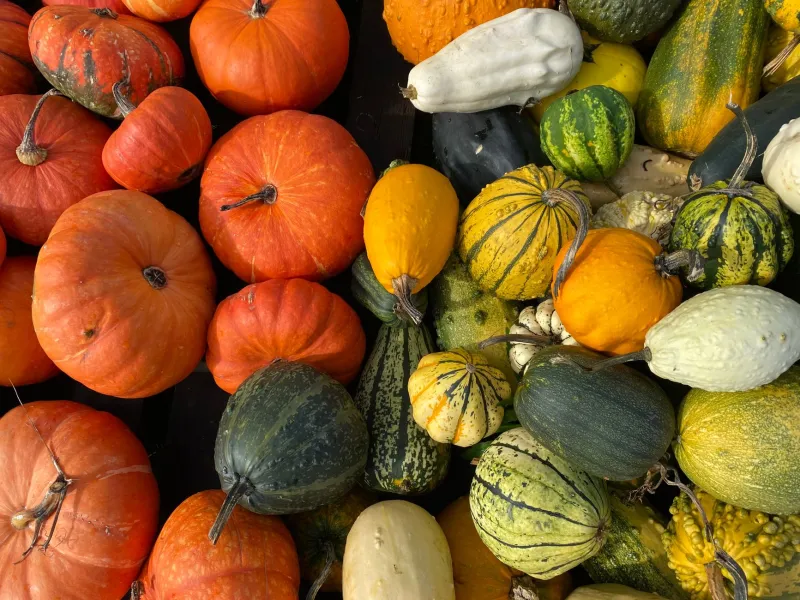
Be honest with yourself for a second. When you walk into the farmers market or drift down the produce aisle, do you have a system — or do you just grab the same seven vegetables you've been buying since college? Most of us have a produce comfort zone so well-worn it's practically a groove. And that's not a character flaw. It's human nature.
But here at Sweet Artichoke, we're all about pushing vegetables to the center of the plate — and that means pushing you a little too. So we put together a personality guide to help you identify your cooking archetype, celebrate what you're doing right, and gently (okay, firmly) nudge you toward the produce that could genuinely transform your kitchen game.
Find your type. Then read the part that makes you slightly uncomfortable. That's where the good stuff is.
The Minimalist: Salt, Olive Oil, Done
You are the person who roasts a sheet pan of broccoli at 425°F and calls it dinner. And honestly? We respect it. You understand that vegetables don't need a lot of fuss to be great, and your food usually has a clean, confident flavor that more complicated cooks envy.
Your go-tos are probably: broccoli, zucchini, cherry tomatoes, spinach.
Your blind spot: You tend to gravitate toward vegetables that are forgiving and fast. Which means you're probably sleeping on the ones that reward patience — like celeriac, kohlrabi, or sunchokes. These aren't difficult vegetables. They're just unfamiliar ones. Celeriac roasted low and slow until it caramelizes into something almost meaty? That's exactly your vibe, once you get past the gnarly exterior.
Your challenge: Pick up a kohlrabi next time you see one. Peel it, slice it thin, toss it with good olive oil, flaky salt, and lemon zest, and eat it raw. That's it. Your kind of recipe.
The Flavor Chaser: More Garlic, More Spice, More Everything
You cook with intention and volume. Your kitchen smells incredible at all times, your spice drawer is a controlled chaos, and you genuinely cannot understand why anyone would eat a plain salad. You're probably the person in your friend group who gets asked to bring a dish to every potluck.
Your go-tos are probably: eggplant, peppers, onions, sweet potatoes.
Your blind spot: You love vegetables that absorb flavor — that soak up your harissa, your miso butter, your gochujang glaze. What you might be missing are vegetables with inherent complexity, ones that don't need much help. Bitter greens like escarole, radicchio, or dandelion greens bring their own drama to the table. Their assertiveness might actually match your energy.
Your challenge: Braise a head of radicchio with white wine, a little honey, and red pepper flakes until it wilts into something silky and slightly caramelized. The bitterness mellows. The depth surprises you. You'll make it again.
The Tradition Keeper: Grandma's Recipe or Nothing
You cook from memory and muscle. Your vegetable repertoire is tied to heritage, family recipes, and the comfort of knowing exactly how something is supposed to taste. There's nothing wrong with that — in fact, there's something genuinely beautiful about cooking that carries history.
Your go-tos are probably: green beans, corn, carrots, cabbage, potatoes.
Your blind spot: Because you're loyal to what you know, you might be overlooking vegetables that have their own rich cultural stories — just not your cultural story. Delicata squash, for example, has been part of Indigenous foodways in North America for centuries. Bitter melon shows up in cuisines across Asia, Africa, and the Caribbean. Exploring these isn't abandoning your roots. It's expanding your table.
Your challenge: Make a simple delicata squash dish — halve it, scoop out the seeds, brush it with butter and maple syrup, and roast it at 400°F until the edges get jammy. It's cozy, familiar in spirit, and probably unlike anything you've made before.
The Experimenter: Whatever's Weird, I'll Take Two
You're the reason farmers market vendors get excited on Saturday mornings. You'll buy something you've never heard of just because it looks interesting, and you're not afraid to fail spectacularly in the kitchen. You've probably made at least one dish that was technically a disaster but still kind of delicious.
Your go-tos are probably: romanesco, purple sweet potatoes, watermelon radish, anything labeled "heirloom."
Your blind spot: Here's the thing about experimenters — you sometimes forget that the most extraordinary flavors come from the most ordinary vegetables, treated with real technique. A perfectly braised leek. A carrot slow-roasted for two hours until it's almost jamlike. You're so busy chasing the unusual that you might be underestimating the classics.
Your challenge: Buy a pound of the most ordinary carrots you can find — not rainbow, not heirloom, just regular orange carrots. Roast them whole at 300°F for 90 minutes with a little olive oil and thyme. Taste them. Then tell us you were bored.
The Health Optimizer: Nutrients First, Flavor Second (But Please, Some Flavor)
You know your cruciferous vegetables from your nightshades. You've read about sulforaphane. Your fridge contains at least one container of pre-washed kale. You eat vegetables because you genuinely care about what goes into your body, and that's admirable — but sometimes your meals feel more like medicine than food.
Your go-tos are probably: kale, cauliflower, Brussels sprouts, edamame.
Your blind spot: You've been so focused on the nutritional resume that you might have forgotten vegetables are also supposed to be pleasurable. Beets are loaded with nitrates and folate, but the reason to eat them is that they're earthy and sweet and gorgeous. Artichokes are high in fiber and antioxidants, but the reason to eat them is the ritual of pulling off each leaf and dragging it through aioli. Let yourself enjoy the process.
Your challenge: Make a roasted beet salad with citrus, fresh herbs, and a tahini dressing. Don't look up the nutrition facts first. Just make it because it sounds good. Notice how that feels.
The Common Thread
Here's what all five archetypes share: a real relationship with vegetables, even if that relationship has some blind spots. The point of this whole exercise isn't to make you feel bad about your produce habits — it's to remind you that the vegetable world is genuinely vast and endlessly interesting, and that your next favorite thing to cook is probably something you haven't tried yet.
The farmers market is full of vegetables that don't have Instagram campaigns or viral TikTok moments. They're just quietly sitting there, waiting for someone to take a chance. Be that person.
Your cooking style is a strength. Your comfort zone is just a starting point.
Now go buy something you've never cooked before. We'll be here when you need a recipe.