We Bought the Same Tomato Twice: What a Blind Taste Test Taught Us About Where Your Vegetables Come From
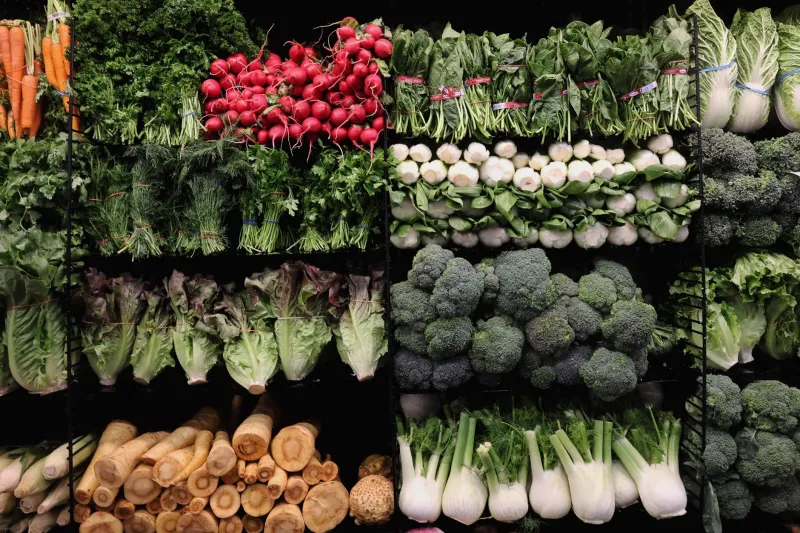
The farmers market premium is real. Depending on where you live and what you're buying, you might be paying anywhere from 30 to 200 percent more per pound for vegetables at a Saturday morning market than at your neighborhood grocery store. That's not nothing. And for a lot of households, it's a meaningful difference.
So the question we wanted to answer wasn't "is the farmers market better?" — that framing is too simple and too loaded. The question was: in what ways is it better, for which vegetables, and does the difference actually hold up when you remove the context?
To find out, we ran a series of blind taste tests over the course of a full summer season. Here's how we did it, what we tasted, and what it actually means for how you shop.
The Setup
The methodology mattered a lot here, because taste tests are easy to rig — even unintentionally. We bought matching vegetable varieties (same species, same named variety where possible) from a conventional chain supermarket and from a farmers market vendor in the same metro area, within the same two-day window. Everything was prepared identically: raw for items typically eaten raw, and roasted at the same temperature for the same amount of time for items typically cooked.
Tasters — twelve of them, ranging from experienced home cooks to people who self-described as "not really into vegetables" — received unlabeled samples and rated them on sweetness, bitterness, texture, and overall preference. They didn't know which was which. They didn't know what we were testing. They just ate and scored.
We tested seven vegetables across multiple weeks: cherry tomatoes, carrots, zucchini, sweet corn, baby spinach, bell peppers, and cucumbers.
What the Numbers Said
The short version: farmers market produce won on flavor in five out of seven categories — but not always by the margin you'd expect, and not always for the reasons you'd assume.
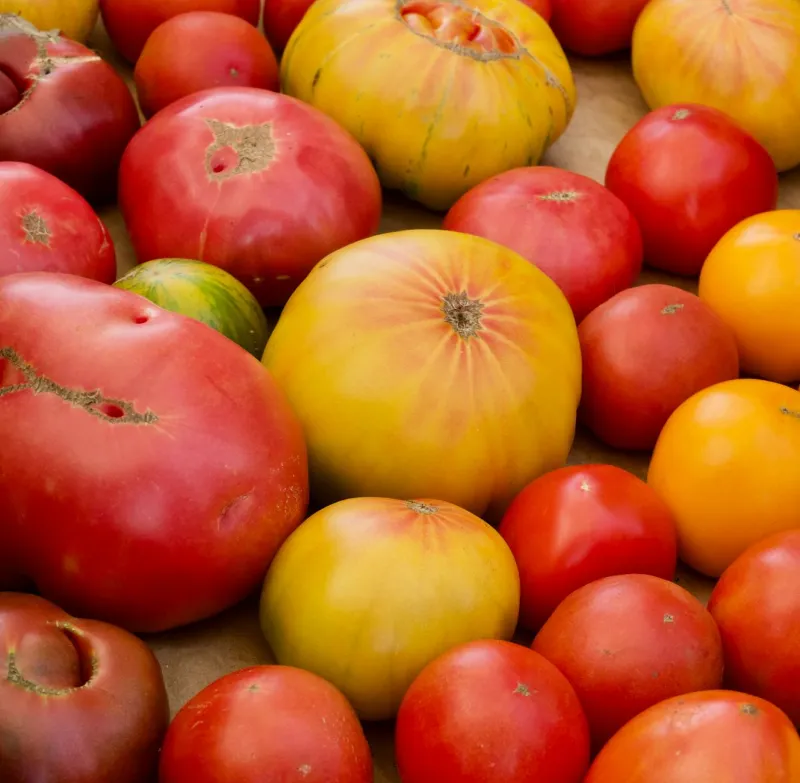
Cherry tomatoes produced the most dramatic split. Farmers market samples scored an average of 8.1 out of 10 on sweetness; supermarket samples scored 5.4. Tasters used words like "bright," "complex," and "actually tastes like something" for the market tomatoes. The supermarket versions were described, repeatedly, as "watery" and "kind of plasticky." This wasn't surprising — tomatoes are among the most harvest-sensitive vegetables in existence, and the difference between a tomato picked ripe and one picked green for shipping is enormous.
Carrots showed a meaningful gap too, though a smaller one. The farmers market carrots were sweeter and had a more pronounced earthy depth. The supermarket carrots were fine — genuinely fine — but tasters noted they tasted "more like carrot flavor in general" rather than anything specific. Interestingly, when we cooked both sets in a simple roast, the gap narrowed slightly. Heat does some of the flavor work that freshness provides when eating raw.
Sweet corn was the biggest surprise. The margin was small — 7.6 versus 7.1 — and several tasters couldn't reliably identify which was which. Corn is interesting because its sugars convert to starch rapidly after harvest, so how recently it was picked matters more than where it came from. The farmers market corn was picked that morning. But the supermarket corn, it turned out, had arrived at the store the previous day from a regional farm. The gap was smaller than expected because the timing gap was smaller than expected.
Zucchini was the only category where the supermarket version actually edged out the farmers market in overall preference — though barely. The supermarket zucchini was more uniform in size, which meant it cooked more evenly. The market zucchini was slightly larger and had more seeds, which some tasters found off-putting in texture. This is a case where variety and size selection, not flavor chemistry, drove the result.
Baby spinach showed almost no meaningful difference when eaten raw, but a noticeable one when wilted. The market spinach held up better and had a more mineral, assertive flavor. The supermarket spinach was milder and more tender — which some tasters actually preferred.
Why the Differences Exist
The flavor gap between a farmers market vegetable and a supermarket vegetable comes down to four overlapping factors, and it's worth understanding each one.
Variety selection. Large-scale commercial agriculture prioritizes varieties bred for uniformity, shelf life, and shipping durability — not flavor. The tomato variety most commonly found in US grocery stores was literally developed to survive a 1,500-mile truck ride. Farmers market growers, by contrast, can grow heirloom and specialty varieties that would never survive the supply chain.
Harvest timing. Commercial produce is typically harvested before peak ripeness to account for transit time. Farmers market produce is often harvested the day before or the morning of the market. For flavor-volatile vegetables like tomatoes, corn, and peppers, this timing difference is enormous.
Post-harvest handling. Cold storage, controlled atmosphere storage, and ethylene gas treatment (used to trigger ripening in transit) all affect flavor. Some of these effects are subtle; some are not. Tomatoes stored below 55°F lose flavor compounds permanently — and most commercial tomatoes spend time in cold storage.
Soil and growing practices. This one is harder to isolate, but it's real. Regenerative and organic farming practices that prioritize soil health tend to produce vegetables with more complex mineral profiles and higher sugar content. This isn't universal — a farmers market vendor isn't automatically farming regeneratively — but the correlation is significant.
So Is It Worth the Price Premium?
Depends on the vegetable, depends on the application, and depends on your budget.
For raw preparations — salads, crudités, anything where the vegetable is the star — the flavor difference in high-volatile vegetables like tomatoes, corn, and peppers is substantial enough that the premium is genuinely justified if you can swing it.
For cooked applications, especially long-cooked ones like braises, soups, and roasts, the gap narrows considerably. Heat transforms flavor in ways that partially compensate for what freshness provides. A farmers market carrot going into a long-braised stew is a better carrot, but the difference in the final dish is less dramatic than eating it raw.
For budget-conscious shoppers, the pragmatic move is selective: spend the extra money on the vegetables you're eating raw or barely cooked, and save on the ones going into a pot. Your soup doesn't care whether the onion came from a farmers market. Your tomato salad absolutely does.
The Part That Isn't About Flavor
There's one more thing the taste test can't measure, and it's worth naming: the relationship you build with your food when you know where it came from.
Every farmers market vendor we bought from could tell us the variety name, the growing method, and in most cases, what field the vegetable came from. That context changes how you cook with it. You treat it differently. You waste less. You're more curious about it.
That's not a flavor score. But it's real, and it matters.