Scorched, Blistered, Borderline Burnt: The Case for Cooking Vegetables Dangerously
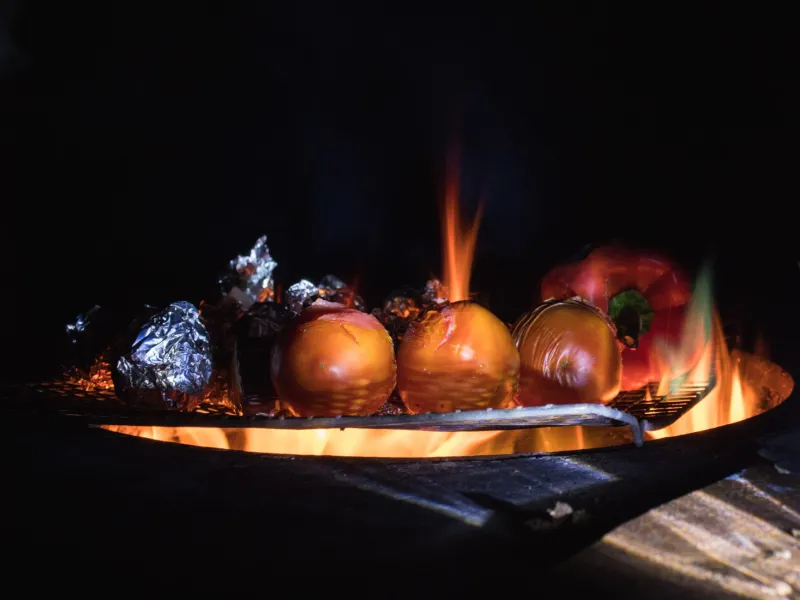
At some point, someone convinced us that the goal of vegetable cooking was preservation. Keep the color bright. Keep the texture crisp. Don't let anything get too dark. Treat your produce like something fragile, something that needs to be protected from the heat rather than transformed by it.
That instinct is wrong. Or at least — it's incomplete.
There's a category of vegetables that doesn't want to be handled gently. They want fire. They want a screaming-hot cast iron pan and a cook who's willing to walk away for a few minutes and trust the process. They want to get a little ugly before they get delicious. And if you've been steaming your broccoli to a polite, perfectly green tenderness your whole life, you have no idea what you've been missing.
The Chemistry of What's Actually Happening
When a vegetable hits serious heat — we're talking above 300°F for the Maillard reaction, above 320°F for caramelization — its surface chemistry undergoes a transformation that gentle cooking simply cannot replicate.
The Maillard reaction is the browning process that creates hundreds of new flavor compounds from the interaction of amino acids and reducing sugars. It's the same reaction that makes a seared steak taste different from a boiled one. It's why bread has a crust. And it works on vegetables just as dramatically as it does on meat.
Caramelization is a separate but related process: the thermal breakdown of sugars into dozens of new molecules, many of them intensely aromatic. The caramelized exterior of a roasted onion isn't just browned — it's chemically different from the raw onion. Bitter compounds have broken down. New sweetness has emerged. Depth has been created from something that started as a pungent allium sitting on your counter.
Charring takes this further. True char — actual blackening — creates bitter, smoky, complex notes that balance sweetness and add dimensionality. In small amounts, char isn't a mistake. It's a seasoning.
The Vegetables That Need to Be Pushed
Not every vegetable benefits from aggressive heat. Delicate lettuces, obviously, are not going anywhere near a screaming pan. But there's a long list of vegetables that actively improve — often dramatically — when you stop being careful with them.
Broccoli might be the most transformed by high heat. Roasted at 450°F until the florets are deeply charred at the edges and the stems are caramelized, it becomes something almost unrecognizable from its steamed counterpart. The bitterness softens. A nutty, almost smoky sweetness emerges. The texture shifts from squeaky to something with real body. Toss it with nothing but olive oil, salt, and maybe a squeeze of lemon after it comes out — that's the whole recipe.
Cabbage is criminally underestimated as a high-heat vegetable. Cut a head into thick wedges, brush with oil, and lay them face-down on a cast iron skillet over high heat without touching them for six to eight minutes. What you get is a deeply caramelized, almost jammy interior with a charred, lacey exterior. It's one of the most satisfying things you can do with a $1.50 head of green cabbage.
Eggplant was basically designed for fire. Direct flame charring — directly over a gas burner or under a broiler set to max — collapses the eggplant completely, turning its spongy interior into a silky, smoky pulp that's the base of some of the most complex dips and spreads in global cooking. Don't be afraid to let the skin go fully black. That's the point. The smoke penetrates inward and becomes part of the flavor.
Green beans blistered in a dry, ripping-hot wok until they wrinkle and char at the edges are one of the great underrated vegetable preparations in American home cooking. The moisture evaporates, the exterior caramelizes, and what's left is intensely savory and slightly sweet — nothing like the squeaky, bright-green beans you get from a quick blanch.
Leeks, halved lengthwise and charred cut-side down in a heavy pan with no oil until deeply blackened, then finished in the oven, develop a sweetness that borders on dessert-like. The outermost layers get discarded; what's underneath is tender, concentrated, and complex.
Shishito peppers are almost useless until they blister. Toss them in a dry pan over the highest heat your stove can manage, don't touch them for two minutes, then toss and repeat. When they're wrinkled, spotted with black, and slightly collapsed, they're ready. Before that moment, they're just peppers. After it, they're addictive.
The Technique: How to Actually Do This at Home
High-heat vegetable cooking requires a few adjustments to how most home cooks approach the stove.
Dry your vegetables before they hit the pan. Moisture is the enemy of browning. Pat everything dry with a paper towel, or let it air-dry after washing. Water on the surface of a vegetable steams it rather than searing it, and you'll never get the browning you're after.
Don't crowd the pan. This is the most common mistake. When vegetables are packed together, they steam each other. Give them space — use a larger pan, work in batches, or spread them across a full sheet pan with room between pieces. If they're touching, they're steaming.
Stop moving things around. The instinct to stir and toss constantly is working against you. Browning requires sustained contact with a hot surface. Put the vegetable down, leave it alone, and trust the heat. You can check the underside after a few minutes, but resist the urge to keep moving things.
Use your oven's broiler more. The broiler is criminally underused in American home kitchens, largely because it's positioned awkwardly and requires attention. But for blistering peppers, charring broccoli, and finishing leeks, it's one of the most powerful tools you have. Keep things close to the element — four to six inches — and watch them carefully. The window between "blistered and perfect" and "actually on fire" is narrow but navigable.
Let it rest. Like meat, aggressively cooked vegetables benefit from a brief rest before serving. The residual heat continues cooking the interior; the exterior firms slightly; the flavors settle and deepen.
The Permission You Didn't Know You Needed
Here's the thing nobody tells you about high-heat vegetable cooking: the margin for error is wider than you think. A little more char than intended is almost never a disaster. It's usually just more interesting.
The fear of burning things keeps a lot of home cooks from ever discovering what their vegetables are actually capable of. That slight nervousness you feel when the pan starts smoking, when the edges go darker than feels comfortable — lean into it. That's where the flavor lives.
Your vegetables can handle it. They've been waiting for you to stop being so careful.