Month by Month, Vegetable by Vegetable: The Seasonal Planning System That Actually Gets Used
Every food publication runs a version of the seasonal produce chart. You've seen it — a clean grid, maybe color-coded, listing which vegetables are "in season" during which months. It looks organized. It feels useful. And then you take it to the farmers market in March and discover that your market has exactly two things on it: storage potatoes and kale that's been through a lot.
The problem with most seasonal guides is that they describe the theoretical growing calendar, not the lived reality of what's actually available, worth buying, and genuinely delicious month by month in different parts of the country. They also tend to ignore one of the most interesting truths about vegetable seasonality: peak flavor and peak availability aren't always the same thing.
This guide is an attempt to fix that. It's less of a chart and more of a planning philosophy — one that treats your vegetable calendar as something alive and regional, rather than a fixed grid that applies equally to someone in Minneapolis and someone in New Orleans.
How to Think About This Differently
Before we go month by month, a few principles worth internalizing:
Peak flavor and peak availability are different things. Zucchini is most available in July, when farms are drowning in it and prices drop to almost nothing. But the best zucchini — small, firm, with no hollow center — often shows up in early June, before the glut. Knowing this means you can shop strategically rather than reactively.
Storage changes the game. Winter vegetables aren't just about what's being harvested — they're about what's been properly stored. A well-kept butternut squash from October can be extraordinary in January. Sweet potatoes often develop more complex sweetness after a period of curing. Understanding which vegetables improve with storage is one of the most useful things a seasonal cook can know.
Your region matters enormously. The USDA plant hardiness zones are a starting point, but local microclimates, farmer practices, and market culture vary wildly. A cook in coastal Southern California has access to almost year-round outdoor growing. A cook in the Upper Midwest is working with a dramatically compressed growing season. Both deserve a guide that reflects their reality.
January and February: The Depth Season
In most of the continental US, this is the hardest stretch for vegetable cooking — and also, paradoxically, some of the most rewarding if you lean into it rather than fight it.
What's actually worth eating right now: storage root vegetables (parsnips, turnips, celeriac, carrots), winter squash, sweet potatoes, and the cold-hardy brassicas — Brussels sprouts, kale, and savoy cabbage. Citrus is at its absolute peak in the South and available everywhere.
The underrated move in January: celeriac. This ugly, knobbly root vegetable gets almost no attention, but it's at its best right now — sweet, nutty, and deeply versatile. Roast it in wedges, purée it with butter, or shave it raw into a salad with a sharp mustard dressing. It's one of the great overlooked vegetables of the American winter.
For cooks in the South and Southwest, this is actually a prime growing window. Farmers in Texas, Florida, and California are harvesting lettuce, broccoli, and brassicas. If you're in those regions, your January looks considerably more abundant.
March and April: The Impatient Season
This is when everyone starts wanting spring and the vegetables aren't quite ready to deliver it. Resist the urge to buy hothouse tomatoes and imported asparagus. The real prizes of early spring are quieter.
Overwintered spinach — spinach that survived the cold and is now bolting into its final, sweetest flush — is extraordinary in March if you can find it. Same goes for overwintered kale, which has had months of frost to convert its starches to sugars.
April brings the real beginning of the spring surge in much of the country: asparagus in the Mid-Atlantic and Midwest, early radishes everywhere, pea shoots and microgreens from farmers who've been growing under cover. Ramps — wild leeks foraged across Appalachia and the Northeast — appear briefly and are worth every bit of the seasonal frenzy they generate.
Planning note: April is a good time to get to know your local farmers market vendors and ask what they're expecting in the coming weeks. The best seasonal cooks plan two to three weeks ahead, not in real time.
May and June: The Abundance Begins
This is when the seasonal calendar starts to feel generous again. Strawberries arrive first, followed quickly by early summer vegetables that seem to appear almost overnight.
In the South and warmer regions, tomatoes are already coming in by late May. In the Midwest and Northeast, you're looking at June for the first real tomatoes — and they're worth waiting for.
The May and June vegetables that deserve more attention: kohlrabi (sweet, crunchy, and utterly underrated — eat it raw, sliced thin, with salt and lemon), fresh shell peas (available for only a few weeks and almost never found in mainstream grocery stores — worth seeking out at farmers markets specifically), and green garlic, which is the immature plant before the bulb forms. It tastes like garlic and scallion had a delicious, mild child.
Planning note: This is the moment to learn to make pesto in large quantities and freeze it. The basil that starts appearing in June is at its most fragrant before the heat of full summer sets in.
July and August: Peak Season, Peak Decisions
The summer glut is real, and it requires a different kind of planning than other seasons. The question isn't what to buy — it's how to manage the abundance without waste.
July tomatoes in peak-growing regions are the benchmark against which all other tomatoes are measured. Buy them in quantity. Eat them simply. Make a big batch of roasted tomato sauce and freeze it in portions that will make your February self feel genuinely grateful.
Corn in August — from a local farm, eaten the same day it's picked — is one of the great seasonal experiences in American food. The sugar in corn begins converting to starch within hours of harvest. Same-day corn is a different food than three-day-old corn. Plan around this.
The underrated August vegetable: shishito peppers. They've become more widely available in recent years, and for good reason — blistered in a hot pan with oil and salt, they're one of the easiest and most satisfying vegetable snacks imaginable.
September and October: The Transition
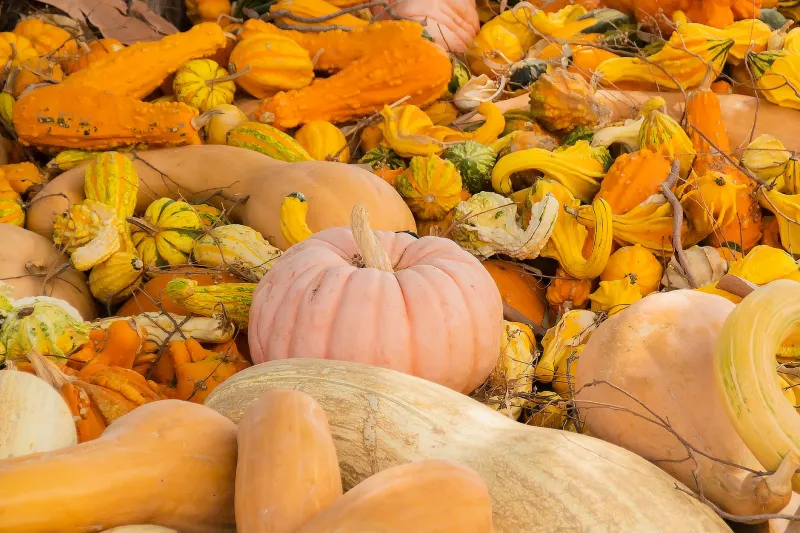
Fall is arguably the most culinarily rich season in American vegetable cooking, and it's consistently underappreciated. The summer vegetables are wrapping up, but the fall crops are arriving in force: winter squash in every variety, sweet potatoes, the full range of brassicas, and the first hard frosts that transform root vegetables into something sweeter and more complex.
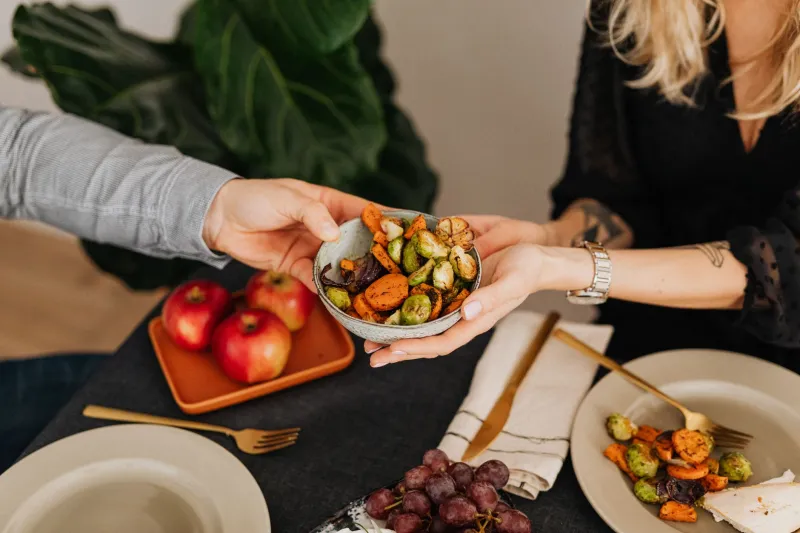
Brussels sprouts hit their peak in October after a frost. If you've only ever eaten Brussels sprouts that weren't frost-kissed, you're missing a substantial part of what makes them worth eating.
This is also the season for dried beans — not canned, but fresh-dried from local farms, which have a completely different texture and flavor from the beans that have been sitting in a warehouse for two years. Seek them out at farmers markets in September and October. Cook them simply, with aromatics, and let them be the center of a meal.
November and December: The Long Game
The holiday season is, ironically, one of the most vegetable-forward times of the year in American cooking — even if it doesn't always feel that way under all that butter and pie crust.
The vegetables worth centering in late fall: celery root (again), parsnips (which sweeten dramatically after frost), radicchio and other chicories (which peak in cool weather and are extraordinary braised or grilled), and delicata squash, which has the advantage of an edible skin and a sweetness that makes it one of the easiest roasting vegetables in the entire calendar.
Planning note: November is an excellent time to stock up on storage vegetables — squash, sweet potatoes, onions, and garlic — that will carry you well into winter. A proper storage setup (cool, dark, with good airflow) can keep these vegetables in excellent condition for months.
Making the Calendar Work for You
The most useful seasonal planning tool isn't a chart. It's a habit: once a week, before you shop, spend five minutes thinking about what's actually at its best right now in your region. Check with your local farmers market — many publish weekly availability lists. Talk to the produce staff at grocery stores that source locally.
And give yourself permission to be a little obsessive about one or two vegetables per season. Go deep on tomatoes in August. Make celeriac your January project. Find the best Brussels sprout source within driving distance and buy them every week from October through December.
The vegetable calendar isn't a constraint. It's an invitation to cook with intention — to let the season tell you what's worth your time and energy, and to build meals around ingredients that are genuinely, momentarily extraordinary.
That's the whole game, really. Show up when the vegetables are ready, and they'll do most of the work for you.