Roots Reclaimed: How Regional American Kitchens Are Bringing Overlooked Vegetables Back to the Table
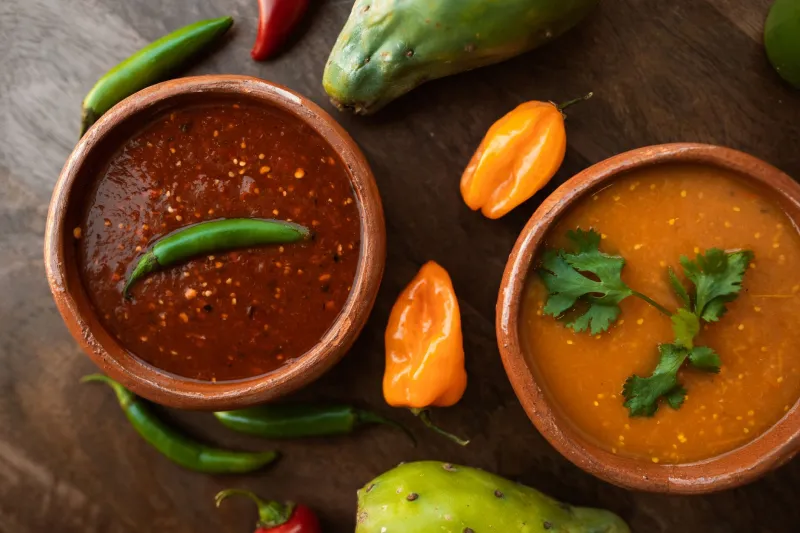
Walk through the right neighborhood grocery store—a Vietnamese market in Houston, a Mexican carnicería in Tucson, a Gullah Geechee seafood shack outside Beaufort, South Carolina—and you'll encounter vegetables that most mainstream supermarkets have never stocked. Bitter melon with its warty, alien skin. Nopales, the flat green paddles of the prickly pear cactus. Okra, slimy and misunderstood and deeply, deeply delicious when you know what you're doing with it.
These aren't novelty ingredients. They're not the next trendy thing chefs are going to pluck from obscurity and charge $24 a plate for. They're vegetables that immigrant communities and regional food traditions have been cooking with for generations—quietly, confidently, without waiting for the rest of America to catch up.
And now, something is shifting. Home cooks are curious. Chefs are paying attention. And the vegetables that got left behind are finally getting their moment.
Bitter Melon and the Art of Embracing Difficulty
If you've never cooked bitter melon, the name alone is a fair warning. It is, without apology, intensely bitter—a flavor that many Western palates have been trained to avoid rather than appreciate. But in Vietnamese, Filipino, Chinese, and Indian cooking traditions, that bitterness is the whole point.
"My grandmother used to say that bitter melon cleans you from the inside," says Linh Nguyen, a home cook in San Jose, California, who learned to make khổ qua xào trứng—bitter melon stir-fried with eggs—as a teenager. "It wasn't something we questioned. It was just part of eating well."
The technique matters enormously here. Salting sliced bitter melon and letting it rest draws out some of the harshest compounds, softening the edge without erasing the character. A quick, high-heat stir-fry with eggs and a splash of fish sauce rounds everything out. What you're left with is something complex, savory, and genuinely unlike anything else in the vegetable kingdom.
For home cooks who've been told their whole lives that vegetables should be sweet or neutral, bitter melon is a revelation. It demands that you meet it halfway—and rewards you for doing so.
Nopales: The Cactus Paddle That Deserves a Spot in Your Weekly Rotation
Ask anyone who grew up in a Mexican-American household in the Southwest, and they'll probably tell you that nopales were just... Tuesday. The pads of the prickly pear cactus, once the thorns are removed and the flesh is diced or sliced, are a staple ingredient across Mexican and Mexican-American cooking—grilled, scrambled into eggs, simmered in stews, or tossed into tacos with crumbled cheese and salsa.
"People are intimidated by them, but there's nothing to be scared of," says Chef Rosa Delgado, who runs a taqueria in Albuquerque, New Mexico, and has been teaching informal cooking workshops out of her kitchen for the past three years. "You buy them already cleaned at most Latino markets. You rinse them, dice them, and cook them. That's it."
The texture is the thing most newcomers have to get used to—nopales have a slight mucilaginous quality, similar to okra, that softens during cooking. Dry-heat methods like grilling or dry-sautéing in a cast-iron skillet minimize that slipperiness and develop a pleasant char. The flavor itself is mild, faintly citrusy, and earthy in a way that pairs beautifully with chiles, onions, and cumin.
Nopales are also quietly nutritional powerhouses—high in fiber, antioxidants, and compounds that researchers have been studying for their effects on blood sugar regulation. But honestly? Cook them because they're delicious, not because they're good for you. That's what Rosa would tell you.
Okra and the Low Country's Long Memory
Few vegetables carry as much cultural weight as okra. Brought to the American South by enslaved Africans, it became foundational to Gullah Geechee cooking along the coasts of Georgia and South Carolina—and to Creole and Cajun traditions in Louisiana. It's the backbone of gumbo. It's the soul of a proper Low Country stew. And for decades, it was dismissed by much of mainstream America as too slimy, too strange, too Southern.
That dismissal always said more about the dismissers than the vegetable.
"Okra teaches you patience and technique," says James Pringle, a chef and food historian based in Charleston who focuses on Gullah Geechee culinary traditions. "When you understand how to cook it—really cook it—you understand why this vegetable has sustained communities for centuries."
The slime that people complain about is actually mucilage, a natural thickening agent that makes okra irreplaceable in dishes like gumbo, where it does the work of building body and richness without flour. For those who prefer a less viscous result, high heat is the answer: roast okra whole at 425°F until it's blistered and slightly caramelized, or slice and fry it until crisp. The texture transforms completely. What's left is nutty, savory, and deeply satisfying.
James is careful to credit the communities that kept okra cooking alive through generations of cultural erasure. "This isn't a trend," he says. "This is a tradition that never stopped. The rest of the country is just finally paying attention."
What These Vegetables Are Actually Teaching Us
There's a through-line connecting bitter melon, nopales, okra, and dozens of other regionally beloved vegetables that mainstream American cooking has historically overlooked: they all require you to learn something. They push back a little. They have opinions.
And that's exactly why they make you a better cook.
Working with ingredients that have specific textures, strong flavors, or unfamiliar preparation methods forces you to develop real technique—knife skills, heat management, seasoning intuition. The heritage recipes that accompany these vegetables aren't just cultural artifacts; they're instruction manuals built from centuries of trial and error, passed down through families who figured out exactly how to make these ingredients shine.
You don't have to have grown up with bitter melon to cook it well. You don't need a Mexican grandmother to make killer nopales tacos. What you need is curiosity, a willingness to follow the lead of the traditions that got there first, and maybe a trip to a market outside your usual grocery store.
Where to Start
If you're ready to branch out, here's the most practical advice anyone will give you: find the community that cooks with the vegetable you're curious about, and buy your ingredients there.
Vietnamese and Chinese grocery stores will have fresh bitter melon alongside recipe ideas from the staff who actually cook it at home. Latino markets carry cleaned nopales pads and can tell you exactly what to do with them. Specialty grocers in the Southeast often stock fresh okra well beyond the summer months, and farmers markets in coastal South Carolina and Georgia sometimes carry heirloom varieties that are genuinely extraordinary.
Ask questions. Read up on the cultural context. Cook the recipe the traditional way first before you start improvising. The vegetables that regional and immigrant communities have been celebrating for generations don't need to be reinvented—they just need more people at the table.
That's an invitation worth accepting.