Low, Slow, and Pressurized: The Modern Techniques That Are Making Vegetables Taste Like a Revelation
We've been roasting vegetables for centuries. And roasting is great — genuinely great. A sheet pan of caramelized carrots or crispy Brussels sprouts will never go out of style at Sweet Artichoke. But something interesting is happening in home kitchens right now: cooks are reaching past the oven and experimenting with techniques that used to live exclusively behind restaurant kitchen doors.
Sous-vide. Pressure cooking. Cold oil infusion. Slow juicing. These aren't gimmicks, and they're not intimidating once you understand what they're actually doing to your food. More importantly, vegetables — with their complex cell structures, delicate aromatics, and wide flavor range — respond to these methods in ways that are, honestly, kind of mind-blowing.
Let's break down what's actually going on and, more importantly, which vegetables you should be experimenting with first.
Sous-Vide: The Technique That Finally Makes Vegetables Make Sense
If you've only ever thought of sous-vide as the thing restaurants use to cook a perfectly medium-rare steak, you've been missing the real story. The technique — sealing food in a bag and cooking it in a precisely temperature-controlled water bath — is arguably more transformative for vegetables than it is for meat.
Here's why: vegetables have a narrow window of textural perfection. Too little heat and they're raw; too much and they're mush. Traditional cooking methods make it hard to thread that needle consistently. Sous-vide eliminates the guesswork entirely.
Carrots cooked sous-vide at 183°F for about an hour emerge with a texture that's almost impossible to describe if you haven't experienced it — yielding but not soft, with a concentrated sweetness that oven-roasting can't replicate. The sugars stay right where they are instead of caramelizing away.
Beets are another revelation. Sous-vide beets at 185°F for 2 to 2.5 hours (depending on size) come out with an intensity of flavor that feels almost like a reduction, without any of the actual reduction. Toss them with a little sherry vinegar and fresh thyme, and you'll wonder why you ever boiled a beet in your life.
Try it with: Carrots, beets, sweet potatoes, asparagus, corn on the cob
What you need: An immersion circulator (brands like Anova and Breville have solid home models in the $100–200 range) and a vacuum sealer or zip-lock bags using the water displacement method
Pressure Cooking: Not Your Grandma's Pot (Well, Maybe)
The Instant Pot revolution happened for a reason. Pressure cooking — which raises the boiling point of water by trapping steam and increasing pressure — dramatically shortens cooking time while doing something really interesting to flavor: it forces liquid and aromatics into the food rather than letting them cook off.
The result is a kind of flavor density that's hard to achieve otherwise. A chickpea and sweet potato stew that would take an hour on the stove is done in 15 minutes, and the vegetables absorb the spices, stock, and aromatics in a way that feels almost marinated.
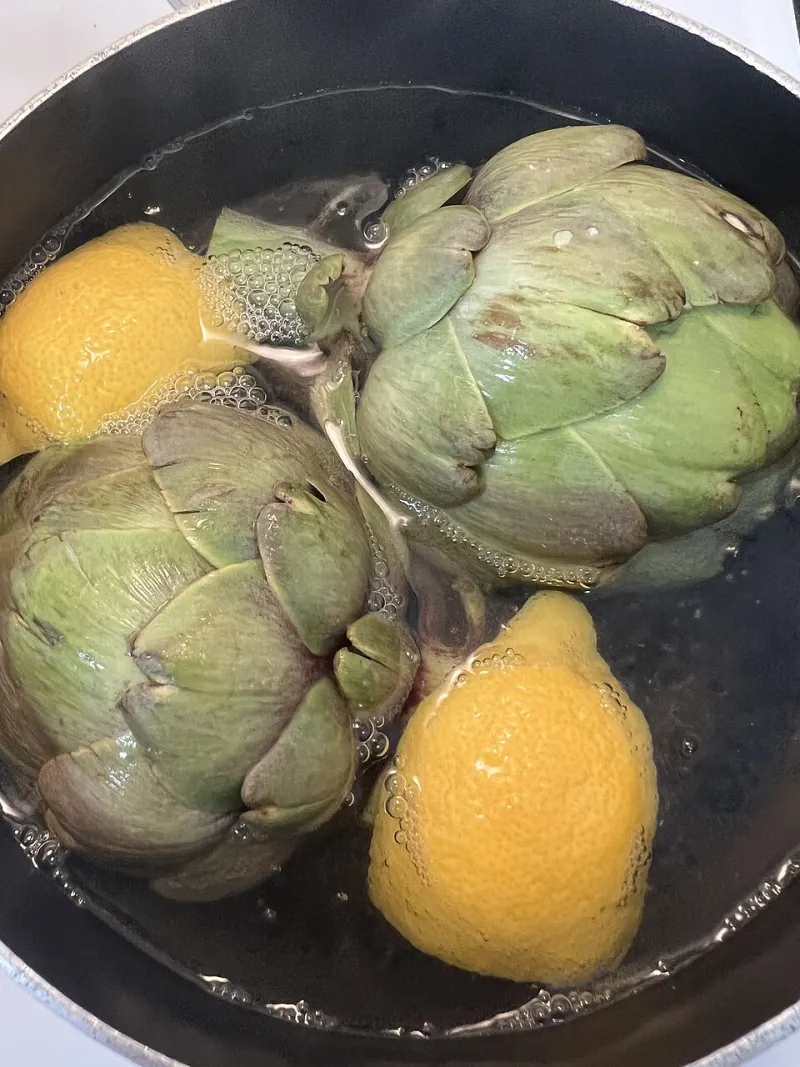
For specifically vegetable applications, the pressure cooker excels at anything you'd normally braise. Whole artichokes that take 45 minutes to steam are done in 12. Butternut squash soup that requires an hour of simmering comes together in 20 minutes. Cauliflower for mashing goes from raw to fork-tender in about 5 minutes at high pressure, producing a smoother, creamier result than stovetop boiling.
One underrated move: pressure-cook dried beans with aromatics (a halved onion, a few garlic cloves, a bay leaf, a parmesan rind if you have one) from scratch. The beans absorb all of it. No can of chickpeas is going to taste like that.
Try it with: Artichokes, butternut squash, cauliflower, dried legumes, root vegetables
What you need: An electric pressure cooker or Instant Pot — you almost certainly already have one or know someone who does
Cold Oil Infusion: Flavor Extraction Without the Heat
This one is the quietest revolution of the three, and it's genuinely changing how thoughtful home cooks approach finishing and seasoning.
The idea is simple: instead of heating oil with aromatics to extract flavor (which works, but also degrades some of the more volatile, delicate compounds), you let the aromatics steep in oil at room temperature — or even in the refrigerator — over 24 to 72 hours. The result is an infused oil with a brightness and complexity that hot-infused versions can't match.
Fresh herb oils made this way — think basil, tarragon, or chive — retain a vivid green color and an almost electric freshness. Garlic-infused olive oil made cold has a rounder, less sharp bite. Chili oil made with dried chilies and cold-pressed oil over 48 hours develops a depth that's both spicy and almost fruity.
For vegetables specifically, these cold-infused oils become transformative finishing elements. A few drops of cold-infused basil oil over a bowl of heirloom tomatoes. Chive oil drizzled over a cold corn soup. Roasted garlic oil as a base for dressing roasted eggplant. The vegetables are the star; the oil is the supporting cast that elevates the whole thing.
Try it with: Fresh herbs (basil, chive, tarragon), dried chilies, raw garlic, citrus zest
What you need: A clean glass jar, good-quality neutral or olive oil, and patience
Slow Juicing and Vegetable Concentrates: The Flavor Backbone You Didn't Know You Needed
Cold-press juicers — the kind that use a slow masticating process rather than a fast centrifugal spin — produce juice that retains more enzymes, color, and flavor than conventional juicing. But here's the thing most people don't know: that juice is also an incredible cooking ingredient.
Fresh beet juice, cold-pressed and reduced gently on the stove until it's syrupy, becomes a finishing glaze that's stunning over roasted goat cheese or a grain bowl. Carrot juice reduced with a little ginger and a splash of rice vinegar is a restaurant-quality salad dressing base. Celery juice — yes, the wellness world's darling — is actually a surprisingly useful savory liquid when you use it to deglaze a pan or braise fennel.
You don't even need a cold-press juicer to experiment here. A blender and a fine-mesh strainer or nut milk bag will get you most of the way there for cooking applications.
Try it with: Beets, carrots, celery, cucumber, tomatoes
Bridging Restaurant Technique and Real Life
The reason these techniques matter isn't because they're fancy or because they'll impress your dinner guests (though they will). It's because they genuinely change what's possible with vegetables. They let you extract flavors that heat alone destroys, build textures that traditional methods can't achieve, and approach produce with the same level of intention that a good chef brings to a piece of fish or a cut of meat.
Vegetables deserve that attention. They've always deserved it. These techniques are just giving us better tools to pay it.
Start with one. The pressure cooker is probably the lowest barrier to entry if you already own one. The cold oil infusion requires nothing but time. And if you've been eyeing an immersion circulator for a while, consider this your permission slip — just make sure your first sous-vide experiment is a bag of carrots, not a steak. You'll be a convert within the hour.