The Honest Seasonal Eating Guide Nobody Wanted to Write (But Somebody Had To)
Every January, food media trots out the same content: eat seasonally, eat locally, eat with intention. Root vegetables in winter, berries in summer, squash in fall. It's a lovely idea. It's also increasingly disconnected from how most Americans actually shop, what's actually growing near them, and — if we're being real — what the words "seasonal" and "local" even mean anymore.
This isn't a takedown of seasonal eating. Genuinely seasonal produce, grown nearby and harvested at the right moment, is almost always more flavorful, more nutritious, and better for the environment than the alternative. But the food culture around seasonality has calcified into a kind of performance — Instagram farmers market hauls, aesthetic root vegetable spreads, the obligatory butternut squash soup post in October — that often has very little to do with what's actually available, affordable, or worth prioritizing for most people.
Let's reset.
The Year-Round Produce Problem
Walk into any major American grocery store in February and you'll find strawberries, zucchini, tomatoes, corn, and fresh basil. None of it is growing anywhere near you (unless you're in South Florida or Southern California). Most of it was grown in Mexico, Chile, or Central America, picked underripe to survive the journey, and ripened artificially with ethylene gas in transit.
The result is produce that looks seasonal but tastes like almost nothing. That February tomato, mealy and pale, is technically a tomato. But it shares almost nothing with a vine-ripened heirloom from a farm 30 miles away in August. The flavor compounds that make a tomato worth eating — the sugars, acids, and volatile aromatics — develop in the final stages of ripening on the vine, in sunlight, in the actual summer. Strip that process away and you have the shape of a tomato without the soul of one.
This matters for cooking, not just philosophy. When you build a dish around out-of-season produce, you're starting with an ingredient that's already working against you.
What "Local" Actually Means Across US Regions
Seasonality in the US isn't one thing — it's at least six or seven things, depending on where you live. A seasonal eating calendar built for Vermont is actively useless in Arizona. Here's a rough breakdown of when the real growing windows hit by region:
Pacific Northwest (Oregon, Washington): The growing season runs May through October, with a spectacular summer haul of berries, corn, tomatoes, and stone fruit. Winter is genuinely lean — root vegetables, storage crops, and hearty brassicas are your friends from November through April.
California (Central Valley and coastal): Blessed with one of the longest growing seasons in the country. Strawberries appear as early as February in Watsonville. Citrus carries through winter. Artichokes (yes, those) peak twice, in spring and fall. The challenge here isn't finding seasonal produce — it's that "local" can mean a farm 300 miles away in a different climate entirely.
Upper Midwest (Illinois, Minnesota, Wisconsin, Michigan): Short but explosive season from June through September. Corn, tomatoes, peppers, and melons hit their peak in August. Winters here are the real test of seasonal eating — it's storage crops, frozen produce, and fermentation or nothing.
Northeast (New York, New England, Mid-Atlantic): A solid four-month window from late May through October, with incredible diversity — ramps in spring, corn and tomatoes in summer, winter squash and apples in fall. The fall harvest here is genuinely spectacular and often underappreciated.
Southeast (Georgia, the Carolinas, Tennessee): Two growing windows, which is a real advantage. Spring comes early (March/April) and fall extends well into November. Summers can be brutal and actually reduce production on some crops.
Texas and Southwest: Desert climates grow incredible produce in spring and fall but struggle in peak summer heat. Texas peaches in June are extraordinary. Winter in places like Tucson and Albuquerque is surprisingly productive for cool-season crops.
The Vegetables Worth Seeking Out Locally vs. The Ones That Travel Well
Not everything needs to be local to be good. Some produce is genuinely resilient and travels without significant quality loss. Knowing the difference saves you money and frustration.
Always worth buying local and in-season:
- Tomatoes (flavor degrades dramatically with distance and time)
- Corn (sugar converts to starch within hours of harvest)
- Peaches, nectarines, and stone fruit (same issue as tomatoes)
- Leafy greens (texture and nutrient density drop fast)
- Fresh herbs (basil especially)
- Berries of all kinds
Perfectly fine to buy regardless of origin:
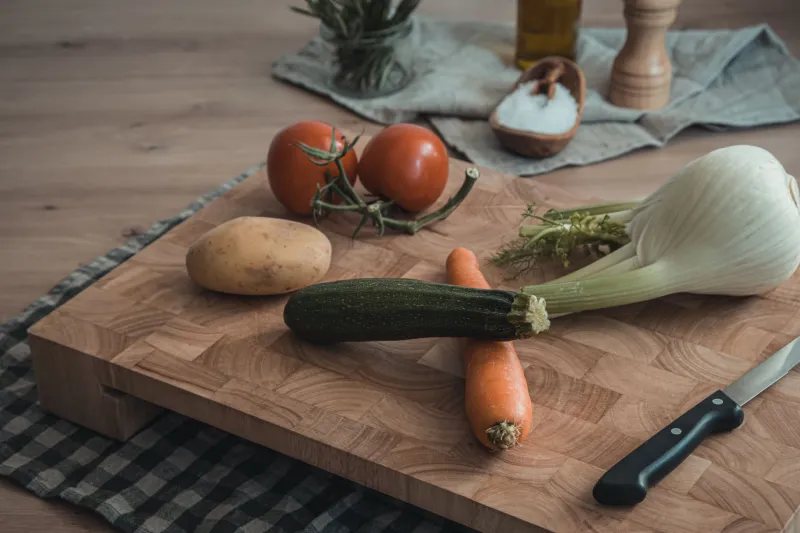
- Root vegetables (carrots, beets, parsnips) — they store well and hold quality
- Winter squash and pumpkins — cured properly, they last months
- Onions, garlic, and shallots — storage crops by nature
- Cabbage — hardy and consistent
- Citrus — California and Florida citrus is genuinely excellent and travels well
- Frozen vegetables — a genuinely underrated option that we'll get to in a second
The Case for Frozen (Yes, Really)
Frozen vegetables get dismissed as a compromise, but the science says otherwise. Most commercially frozen vegetables are processed within hours of harvest, at peak ripeness, and frozen quickly enough to preserve their nutritional content and flavor. A bag of frozen peas from a reputable brand in February is, in most measurable ways, better than a fresh pea pod that's been sitting in a refrigerated container for five days after traveling from Guatemala.
This isn't a concession to convenience culture — it's just honest. Frozen corn, frozen edamame, frozen spinach, frozen fava beans — these are legitimate pantry staples for anyone who cares about eating well across all twelve months.
A Practical Monthly Framework (Simplified for Most of the US)
Rather than a hyperspecific calendar, here's a general rhythm for home cooks in most continental US regions:
January–February: Citrus, storage root vegetables, winter squash, hearty brassicas (kale, cabbage, Brussels sprouts), frozen everything. This is preservation season — pickles, ferments, and frozen summer produce earn their place.
March–April: Alliums, early greens, asparagus (late April in most regions), peas, ramps if you're lucky. The first farmers market visits of the year.
May–June: Strawberries, snap peas, early summer squash, lettuces, radishes, green garlic. The season accelerates fast.
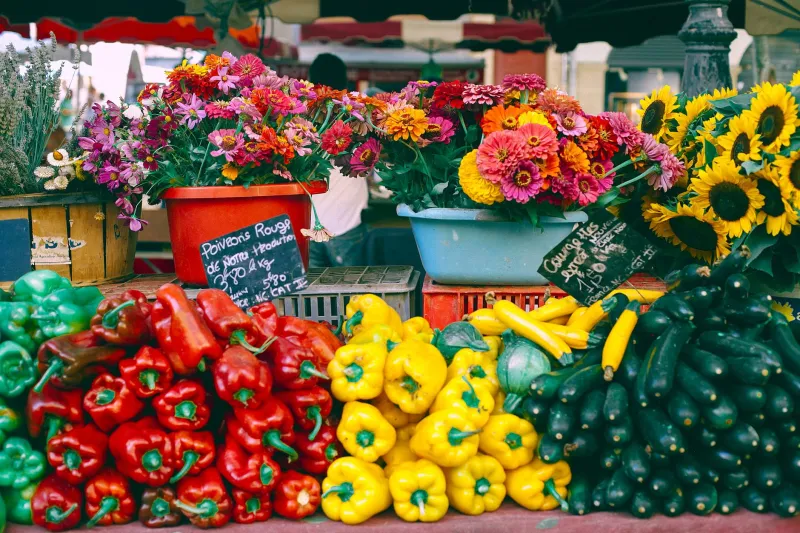
July–August: Peak season. Tomatoes, corn, peppers, eggplant, cucumbers, beans, summer squash, peaches, melons. Cook everything. Preserve what you can.
September–October: The great transition. Late tomatoes, winter squash, apples, pears, sweet potatoes, brassicas coming back into form. One of the most exciting times of year to cook.
November–December: Storage crops, root vegetables, hearty greens, citrus beginning. Lean into braises, soups, and fermentation.
Eating Seasonally Doesn't Have to Be Dogma
The most important shift isn't buying exclusively local or refusing an avocado in January. It's developing a sense of what's worth prioritizing — what produce genuinely rewards seasonal attention versus what's consistent year-round — and building your cooking around that awareness.
Buy the February tomato if you're making a cooked sauce and you know what you're working with. Pass on it if you're planning a salad. Seek out the August farmers market tomato like it's a limited-edition release, because it genuinely is. The season is short, the flavor is extraordinary, and it'll be gone before you're ready.
That's seasonal eating in practice. Not a calendar. Not a rule. Just paying attention.