Grow What Beat You: A Redemption Garden for the Vegetables You Gave Up On
There's a specific kind of kitchen shame that lives in the back of your memory. Maybe it's the Brussels sprouts you roasted into sad, sulfur-scented marbles back in 2019. Or the head of cauliflower you bought with enormous ambition and watched slowly yellow in your crisper drawer. Or the bunch of mustard greens you brought home from the farmers market, cooked exactly the way the internet told you to, and still couldn't finish.
We've all got a list. The vegetables that rejected us before we could reject them.
Here's the thing nobody tells you: growing those vegetables yourself is the best revenge — and the most reliable path to actually learning how to cook them. When you tend something from seed to harvest, you stop treating it like a grocery store commodity and start understanding it as a living thing with preferences, moods, and a very specific window of perfection. That shift changes everything about how you cook it.
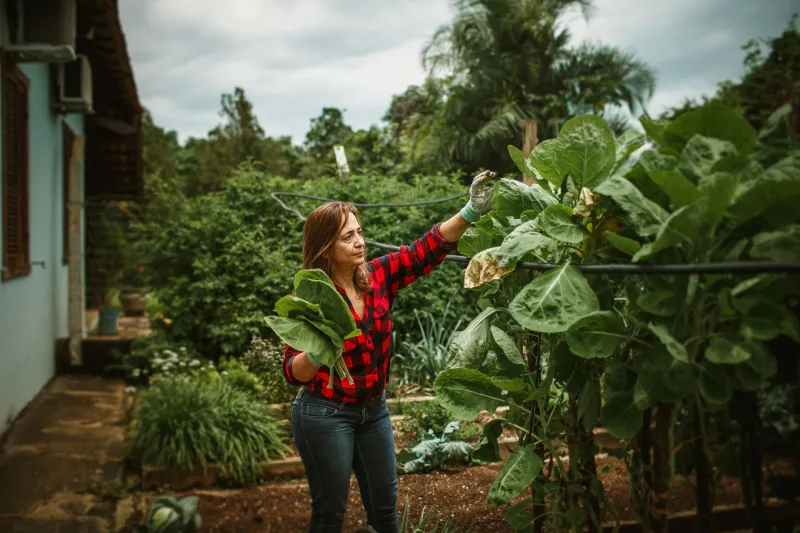
This is the case for the redemption garden — a small, intentional plot (or container setup, or raised bed, or even a sunny windowsill) dedicated entirely to the vegetables that have historically made you feel like a failure.
Why Growing It Changes How You Cook It
There's a reason chefs who grow their own produce cook differently than everyone else. It's not just access to better ingredients — it's timing. When you harvest Brussels sprouts the morning you're going to eat them, you're working with something that still has its sugars intact, its moisture in balance, its bitterness softened by a cool night. You're not fighting the vegetable anymore. You're collaborating with it.
Most of the bad experiences home cooks have with so-called "difficult" vegetables come down to produce that was harvested too early, shipped too far, stored too long, or all three. The Brussels sprout that smells like a locker room when it hits the pan? It's been sitting in a refrigerated truck for two weeks. The cauliflower that goes mushy before it browns? It was picked before it fully developed. Growing your own resets all of those variables.
It also forces you to pay attention in a way that grocery shopping simply doesn't. When you've watched a plant grow for eight weeks, you're a lot more motivated to figure out how to cook it well.
Start with Brussels Sprouts (Yes, Really)
Brussels sprouts are the ultimate redemption vegetable. They've spent decades as the punchline of Thanksgiving dinner, the thing kids push to the edge of their plates, the vegetable that somehow became a symbol of culinary suffering. And yet, anyone who's had them properly prepared — roasted hard at high heat until the outer leaves go dark and crispy, finished with a little acid and maybe some toasted nuts — knows they're one of the most satisfying vegetables on earth.
Growing them is a slow, patient project. They need a long season, ideally started indoors six to eight weeks before your last frost date and transplanted out once the soil warms. They want full sun and consistent moisture. And here's the part most people don't know: Brussels sprouts actually taste better after a frost. The cold converts some of their starches to sugar, mellowing the bitterness that makes so many people flinch.
If you've always lived somewhere warm, try growing them as a fall crop. Start seeds in midsummer, let them mature into the cooler months, and harvest after the first cold snap. You will not recognize them as the same vegetable.
Cauliflower Wants You to Respect Its Timing
Cauliflower has a reputation for being fussy, and honestly, that reputation is earned — but mostly in the context of commercial growing and long-haul shipping. In a home garden, it's demanding in a way that's actually satisfying to meet.
It needs consistent soil moisture and cool temperatures to develop properly. Too much heat and the head — called the curd — bolts, loosens, and turns bitter before it's ready. Too little water and it goes woody. But when you get it right, when you harvest a tight, dense head at peak development and roast it the same afternoon, the transformation is startling. Cauliflower that fresh caramelizes beautifully, develops deep nutty notes, and holds its texture in a way that store-bought simply doesn't.
The key technique for home cooks: cut it into thick steaks rather than small florets, get your pan or sheet tray genuinely hot before it goes in, and don't crowd it. Space is what allows moisture to escape and browning to happen. Crowded cauliflower steams. Uncrowded cauliflower roasts. That's the whole secret.
For gardeners in the US, cauliflower is best as a spring or fall crop in most regions. Check your USDA hardiness zone and plan accordingly — this is a vegetable that rewards a little research before you plant.
The Bitter Greens That Deserve a Second Chance
If mustard greens, kale, or radicchio have ever made you wince, you might be surprised to learn that the bitterness you experienced was probably a feature, not a flaw — just one you weren't given the tools to work with.
Growing bitter greens yourself teaches you about timing in a way that's hard to get from a grocery store bunch. Young leaves are mild, almost sweet, and excellent raw. Mature leaves are more assertive and want heat, fat, and acid to balance them. Leaves harvested after a frost are sweeter than those picked in warm weather. These are things you can only really feel when you're the one doing the harvesting.
A simple technique that unlocks bitter greens for skeptics: wilt them in a generous amount of olive oil with smashed garlic, then hit them with a splash of apple cider vinegar or lemon juice right at the end. The fat rounds out the bitterness, the acid brightens everything, and the heat takes the raw edge off. Serve them alongside something rich — a fried egg, a bowl of creamy polenta, a piece of grilled bread rubbed with a ripe tomato — and suddenly you're not fighting the flavor anymore. You're using it.
In a garden, bitter greens are some of the most forgiving plants you can grow. They tolerate poor soil, irregular watering, and partial shade better than almost anything else. Start with mustard greens or a simple mix of braising greens if you're new to growing your own. They'll reward you fast and often.
The Revenge Part Is Actually the Relationship
Here's the honest truth about the redemption garden: the revenge isn't really on the vegetables. It's on the version of yourself that gave up on them.
When you grow something difficult, when you put in the weeks of watering and watching and worrying, and then you harvest it at the right moment and cook it the right way and finally understand what all the fuss was about — that's not just a good meal. That's a shift in how you see yourself in the kitchen.
You become someone who knows Brussels sprouts need frost. Who understands that cauliflower has a window. Who can taste the difference between a mustard green picked young and one that's been through a cold night. That knowledge doesn't stay in the garden. It comes inside with you and changes every trip to the farmers market, every decision at the produce stand, every meal you cook for the rest of the season.
Grow what beat you. Then cook it like you mean it. The vegetables were never the problem.