Dirt Under Their Nails: How Gen Z Fell Hard for Sunchokes, Kohlrabi, and the Weirdest Vegetables at the Market
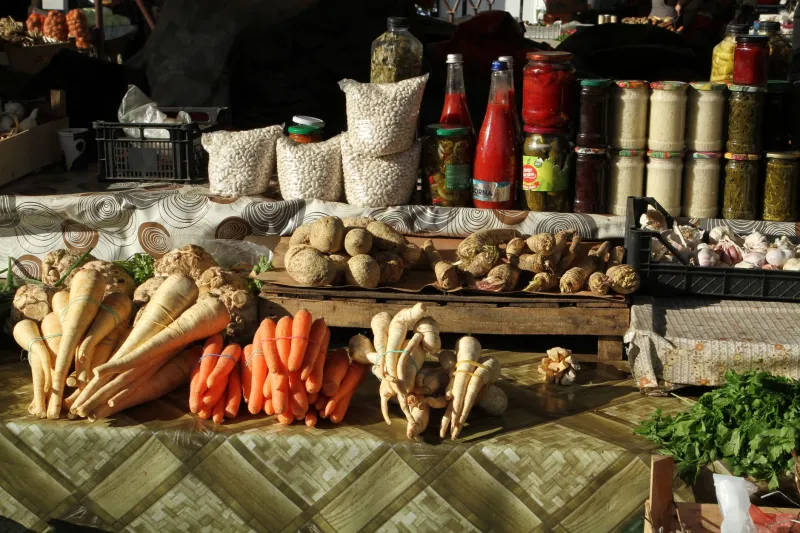
Something strange is happening at farmers markets across America. While older generations still gravitate toward familiar standbys — russet potatoes, yellow onions, the usual suspects — a younger crowd is crouching down to examine the muddiest, knobbliest, most alien-looking things in the bin. They're filming them. They're asking the farmer questions. And then they're taking them home and figuring it out.
We're talking about sunchokes. Kohlrabi. Celeriac. Parsnips with actual personality. Turnips that didn't come from a sad soup mix. These are the vegetables that spent decades getting passed over, dismissed as old-fashioned or just plain weird. And now, somehow, Gen Z is completely obsessed with them.
So what's going on?
The "Ugly Vegetable" Glow-Up Is Real
If you've spent any time on food TikTok or scrolled through the produce-forward corners of Instagram lately, you've probably noticed a pattern. The content that gets engagement isn't always the prettiest plate — it's the most surprising one. A video of someone peeling a knobby sunchoke for the first time, genuinely confused and delighted, pulls way more views than a perfectly plated salad.
There's a reason for that. Gen Z grew up with the internet, which means they grew up with access to everything — every cuisine, every technique, every obscure ingredient from every corner of the globe. The familiar stopped being exciting a long time ago. What gets their attention now is discovery. And vegetables like kohlrabi and celeriac scratch that itch in a very specific, very satisfying way.
They look like they came from another planet. They have textures and flavors that don't map neatly onto anything you've eaten before. And cooking them feels like solving a puzzle — which, it turns out, is exactly the kind of kitchen challenge that a generation raised on YouTube tutorials and cooking competition shows actually enjoys.
Let's Talk About These Vegetables, Specifically
Sunchokes (also called Jerusalem artichokes, though they're neither from Jerusalem nor related to artichokes) are the tubers of a sunflower species native to North America. They look like a ginger root that got into a fight and lost. Raw, they're crisp and slightly sweet — almost like a water chestnut. Roasted, they turn buttery and nutty, with a depth that genuinely surprises people the first time they try it. Fair warning: they're notorious for causing digestive drama if you eat too many at once. Start slow. Your gut will thank you.
Kohlrabi is the vegetable that looks like a spaceship landed in your garden. It's a member of the brassica family — think cabbage's cooler, crunchier cousin. The bulb (which is actually a swollen stem, botanically speaking) tastes like a milder, juicier broccoli stem, and it can be eaten raw or cooked. Peel it, slice it thin, and toss it in a slaw. Cube it and roast it until the edges caramelize. Cut it into sticks and dip it in something good. Kohlrabi is genuinely easy to work with once you get past the intimidating exterior.
Celeriac, also called celery root, is the ugly duckling of the root vegetable world. It's knobby, hairy, and deeply unattractive. It's also one of the most underrated vegetables in existence. Underneath that rough exterior is a creamy, ivory flesh that tastes like celery decided to go to culinary school. It makes an incredible mash (especially mixed with a little potato), works beautifully in gratins, and can be eaten raw in a classic French rémoulade.
How to Actually Pick Good Ones at the Market
Here's the thing about these vegetables — quality matters a lot, and it's easy to buy a bad one if you don't know what you're looking for.
With sunchokes, go for firmness. They should feel dense and solid, not soft or spongy. Avoid any that are shriveled or have soft spots. Smaller ones tend to have better flavor than the giant ones.
Kohlrabi should feel heavy for its size, and the skin should be smooth and taut. If it's cracked or the leaves (if still attached) look wilted and sad, pass. Medium-sized bulbs — roughly the size of a tennis ball — are usually the sweet spot for texture.
Celeriac is going to look a little rough no matter what, so don't let the appearance throw you. What you're feeling for is weight and density. A good celeriac should be heavy and hard. Give it a knock — it should sound solid. Avoid any that feel hollow or have large soft patches.
Three Ways to Start Cooking Them Tonight
You don't need a culinary degree to make these vegetables shine. Here are three genuinely simple approaches that let the ingredients do the heavy lifting.
Roasted Sunchokes with Herbs and Lemon: Scrub your sunchokes well (no need to peel), slice them into rounds about half an inch thick, and toss with olive oil, salt, and fresh thyme. Roast at 400°F until golden and tender, about 25–30 minutes. Finish with a squeeze of lemon and some fresh parsley. That's it. The flavor is nutty and almost sweet — people always ask what they are.
Raw Kohlrabi Slaw with Apple and Mint: Peel two medium kohlrabi and slice them into thin matchsticks using a mandoline or a sharp knife. Toss with a thinly sliced tart apple, a handful of fresh mint, a drizzle of apple cider vinegar, a little olive oil, and a pinch of salt and sugar. Let it sit for 10 minutes before serving. It's bright, crunchy, and genuinely refreshing — the kind of side dish that disappears fast.
Celeriac Mash: Peel and cube one large celeriac and boil until very tender, about 20 minutes. Drain well, then mash with butter, warm cream or oat milk, salt, and white pepper. You can do it straight or mix in a potato for a fluffier texture. It's silky, savory, and way more interesting than regular mashed potatoes.
Why This Trend Actually Matters
Beyond the novelty factor, there's something genuinely meaningful happening here. These vegetables are often grown by small, independent farmers who've kept them alive through sheer stubbornness. When younger cooks start buying them — and cooking them, and posting about them — it creates real demand. That demand keeps small farms viable. It keeps biodiversity on the plate.
And honestly? It's just more fun. Cooking should feel like exploration, not obligation. If a gnarly sunchoke or a spaceship-shaped kohlrabi is what gets someone excited to cook a vegetable-forward dinner on a Tuesday night, we are absolutely here for it.
The weird vegetables won. We couldn't be happier about it.