Thorny on the Outside, Totally Worth It: How the Artichoke Conquered American Kitchens
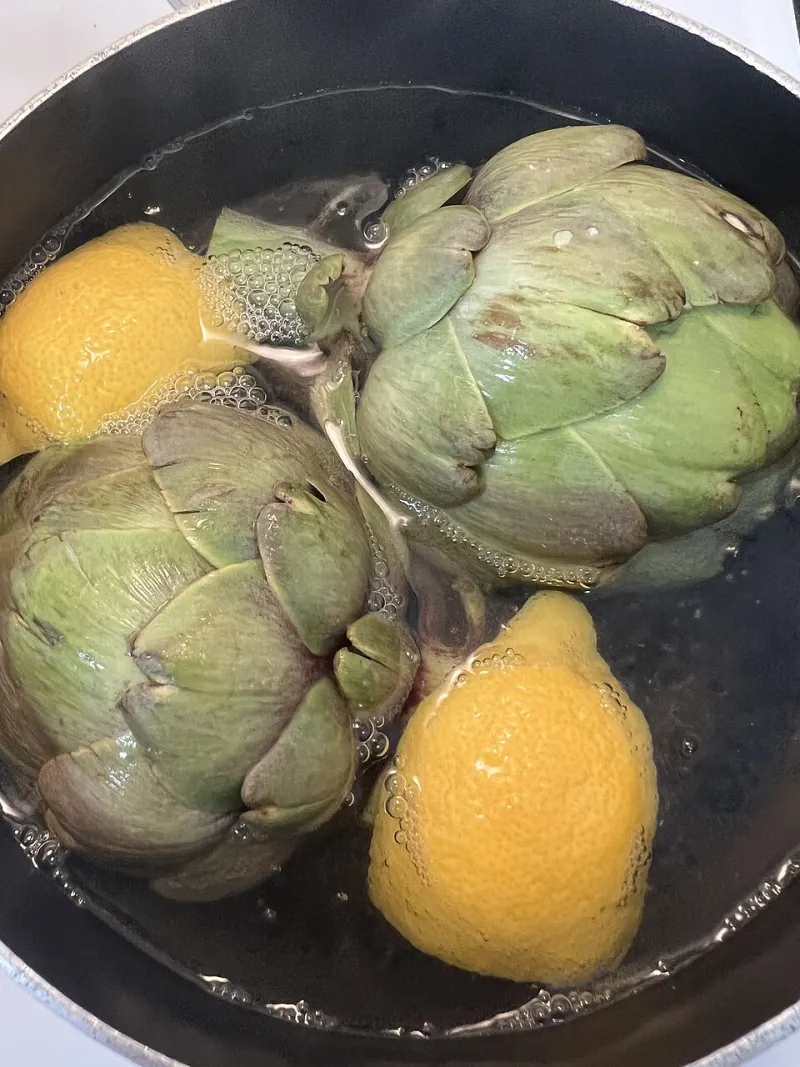
Photo: HaJunkiyada, CC BY-SA 4.0, via Wikimedia Commons
There's a good chance your grandmother had a complicated relationship with artichokes. Maybe she boiled them into submission every Easter, setting them on the table with a ramekin of mayo and a silent dare. Or maybe she avoided them entirely — too fussy, too weird, too much work for a Tuesday night. For decades, the artichoke occupied this strange liminal space in American food culture: respected but rarely celebrated, admired from a distance like a piece of art you're not sure you're allowed to touch.
That era is officially over.
From the wood-fired menus of Los Angeles bistros to the farmers market hauls of home cooks in Portland, Chicago, and Atlanta, the artichoke is having a full-blown cultural moment. And honestly? It's about time.
From Ancient Rome to Your Dinner Table
The artichoke — Cynara scolymus, if you want to get botanical about it — is not a new discovery. Humans have been eating these edible flower buds for thousands of years. Ancient Greeks and Romans prized them as a delicacy, and by the 16th century, they'd made their way into the gardens of European royalty. Catherine de Medici was reportedly obsessed with them, which honestly tracks — the artichoke has always had a certain drama to it.
In the United States, artichokes arrived with Italian immigrants who settled along the California coast in the late 1800s. The town of Castroville, tucked into the fog-kissed fields of Monterey County, became the undisputed artichoke capital of the country — a title it still proudly holds. Today, California produces nearly all of the artichokes grown commercially in the US, with the cool coastal climate and rich soil creating conditions that are basically artichoke paradise.
But for much of the 20th century, artichokes remained a regional curiosity, a California thing, a restaurant thing — not something most American home cooks felt confident tackling on their own.
The Intimidation Factor (And Why It's Fading)
Let's be honest about what kept the artichoke on the sidelines for so long: it looks like it's defending itself. Those layered, spiky leaves, the fuzzy choke hiding at the center, the unclear entry points — it's a vegetable that asks something of you before it gives anything back.
But here's what's changed. The rise of cooking videos, food-focused social media, and a generation of home cooks who grew up watching people break down intimidating ingredients on YouTube has fundamentally shifted the confidence level in American kitchens. Techniques that once felt gatekept — braising, steaming whole vegetables, making aioli from scratch — are now accessible in a five-minute video. And once you see someone trim an artichoke in real time, the mystery evaporates.
Chefs have also played a huge role in the artichoke's rehabilitation. Restaurants across the country have been spotlighting the vegetable in ways that feel fresh and approachable: charred baby artichokes with lemon and herbs, artichoke-based dips that go way beyond the classic spinach-artichoke casserole, whole roasted artichokes served as a centerpiece rather than an afterthought. When people taste what a properly prepared artichoke can do, the intimidation melts away.
A Nutritional Powerhouse in Disguise
Beyond the culinary appeal, the artichoke is quietly one of the most nutritionally impressive vegetables in the produce aisle — and health-conscious eaters are starting to catch on.
A single medium artichoke packs around 7 grams of fiber, which is a serious contribution to the daily recommended intake. That fiber includes inulin, a prebiotic that feeds the beneficial bacteria in your gut — something that's gotten a lot of attention as interest in gut health has surged. Artichokes are also rich in antioxidants, particularly cynarin and silymarin, compounds associated with liver support and reduced inflammation. They're a solid source of folate, vitamin C, vitamin K, and magnesium, all while being relatively low in calories.
In other words, the artichoke isn't just delicious — it's genuinely doing something for your body. In an era when people want their food to work harder, that matters.
The Farmers Behind the Thistle
It's worth pausing to acknowledge the people who grow these things, because artichoke farming is no small feat. In Castroville and the surrounding Salinas Valley, multigenerational farming families have tended artichoke fields for over a century. The plants are perennials, meaning they come back year after year from the same root — some plants in California's coastal fields have been producing for decades.
Smaller farms and CSA (community-supported agriculture) programs across the country are also beginning to experiment with artichoke cultivation, particularly in regions with mild winters. Farmers in parts of the Pacific Northwest, the mid-Atlantic, and even some Southern states are finding that certain artichoke varieties can thrive outside of California's famous growing corridor. That regional expansion is slowly making fresh artichokes more available — and more connected to local food systems — than ever before.
If you've never seen an artichoke plant in person, it's worth seeking one out at a farmers market or farm stand. They're genuinely stunning — silvery-green and architectural, with blooms that, if left unharvested, explode into spectacular purple flowers. The artichoke is beautiful at every stage, which feels like a metaphor for something.
How to Make Peace with Your First Artichoke
If you've been artichoke-curious but haven't taken the plunge, here's the honest truth: the learning curve is real but short. Steaming a whole artichoke is a genuinely forgiving technique — trim the top inch, snip the leaf tips, rub with lemon, steam for 35 to 45 minutes until a leaf pulls free easily, and you're there. Serve with a punchy dipping sauce (garlic butter, tahini-lemon, or a good herby vinaigrette all work beautifully) and eat leaf by leaf, scraping the tender flesh with your teeth. It's slow food in the best possible way.
For baby artichokes — the smaller, more tender variety that doesn't develop a tough choke — the options open up dramatically. Halve them, sear them cut-side down in a hot cast-iron pan, finish with white wine and fresh herbs, and you have something that feels genuinely restaurant-worthy with about 20 minutes of effort.
And then there's the heart — the golden prize at the center, meaty and rich and subtly nutty. Roast them, fold them into pasta, layer them into a grain bowl, or just eat them warm with a little olive oil and flaky salt. The artichoke heart is one of the great vegetable treasures, full stop.
The Artichoke's Future Is Bright (and Spiky)
What's happening with the artichoke right now isn't just a trend — it feels more like a correction. This is a vegetable that has always deserved a bigger spotlight, and American cooks are finally giving it one. As plant-forward eating continues to reshape how we think about meals, as people look for ingredients that are nutritionally dense, seasonally grounded, and genuinely interesting to cook, the artichoke checks every single box.
So go ahead. Pick one up at the market. Let it sit on your counter for a day or two while you work up the nerve. Then steam it, pull it apart leaf by leaf, and discover what all the fuss is about. We promise it's worth the effort — and we have a feeling you'll be back for more.