From Trash to Treasure: How America Finally Learned to Love the Vegetables It Used to Dread
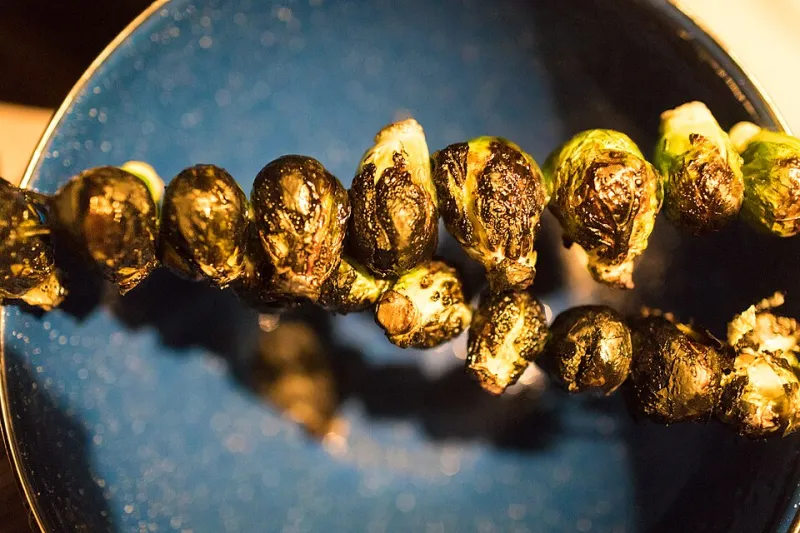
Photo: spurekar, CC BY 2.0, via Wikimedia Commons
Let's be honest. If you grew up in America anytime before the late 1990s, there's a solid chance you spent at least one dinner staring down a pile of mushy Brussels sprouts, willing yourself to swallow them whole so you could be excused from the table. Same goes for the gray, waterlogged cauliflower that appeared beside pot roast like some kind of culinary punishment. And okra? Depending on where you were raised, that word alone probably still triggers a visceral reaction.
But here's the wild thing: those exact vegetables are now selling out at farmers markets, anchoring tasting menus at James Beard Award–winning restaurants, and showing up in home kitchens across the country — not because people feel obligated to eat them, but because they genuinely want to. What happened?
Short answer: we finally learned how to cook them.
The Boiling Point (Literally)
For most of the 20th century, American home cooking treated vegetables as a side act — something to steam or boil into submission while the real star (the meat) took center stage. The problem with that approach, especially for vegetables like Brussels sprouts and cauliflower, is that it activates the worst of what they have to offer.
Brassicas — the plant family that includes Brussels sprouts, cauliflower, broccoli, and cabbage — contain sulfur compounds called glucosinolates. When these vegetables are cooked low and slow in water, those compounds break down and release hydrogen sulfide gas. That's the rotten-egg smell that haunted your childhood kitchen. The longer they boil, the more pungent and bitter they become, and the more their cell structure collapses into that dreaded mush.
"People weren't wrong to dislike those vegetables," says food scientist and culinary educator Dr. Priya Nair, who teaches flavor development at a culinary institute in Chicago. "They were responding to a genuinely unpleasant sensory experience. The vegetables weren't the problem — the technique was."
The fix turned out to be almost embarrassingly simple: heat, fat, and time — just applied differently.
Enter the Roast
Somewhere in the early 2000s, food media started evangelizing high-heat roasting as the great vegetable equalizer. Sheet pan recipes spread through food blogs, then Pinterest, then Instagram. And suddenly, Brussels sprouts weren't limp and sulfurous — they were caramelized, crispy-edged, slightly nutty, and genuinely delicious.
What's happening chemically during roasting is the Maillard reaction, the same browning process that makes a seared steak or a toasted bagel taste complex and rich. When you expose Brussels sprouts or cauliflower to temperatures above 375°F with a coating of good olive oil, the natural sugars caramelize, the moisture evaporates instead of pooling, and you get depth of flavor that boiling simply can't produce.
Chef Marcus Webb, who runs a vegetable-forward restaurant in Portland, Oregon, says the shift in how kitchens approach these ingredients has been dramatic. "Ten years ago, if I put whole roasted cauliflower on the menu, people would have raised an eyebrow. Now it's one of our most-ordered dishes. We char it hard, hit it with harissa butter, and finish with pickled raisins. It's stunning. People forget it's a vegetable."
That's become something of a rallying cry in progressive culinary circles: cook vegetables so well that their identity becomes a feature, not a footnote.
Okra's Long Overdue Moment
If Brussels sprouts and cauliflower had an image problem rooted in bad cooking technique, okra's reputation battle has been more complicated — and more tied to cultural erasure.
Okra arrived in the American South through the transatlantic slave trade, brought by West African people who carried seeds with them and integrated the vegetable into a cuisine that would eventually become foundational to American food culture. Gumbo, that iconic Louisiana stew, gets both its name and its characteristic body from okra — the word "gumbo" itself derives from the Bantu word for the vegetable, ki ngombo.
And yet for much of the 20th century, okra became a punchline in mainstream food media — dismissed as slimy, weird, an acquired taste. The sliminess, for the record, is mucilage, a soluble fiber with real nutritional value and incredible thickening properties. It's not a flaw. It's a feature that generations of cooks used intentionally.
"What happened to okra is what happens when you strip a food from its cultural context," says Atlanta-based chef and food historian Amara Collins. "You lose the knowledge of how to use it. Whole fried okra, pickled okra, okra in stews where the mucilage is doing real work — those traditions never disappeared in Black Southern cooking. They just got ignored by the mainstream."
That's changing fast. Okra is appearing on menus from New Orleans to New York, prepared with the reverence it always deserved — blistered and charred in a screaming-hot cast iron, slow-cooked into silky stews, or quick-pickled and served alongside cocktails as a bar snack.
The Science of Changing Your Mind
Here's something that might surprise you: your taste preferences aren't fixed. The human palate is genuinely adaptable, and repeated positive exposure to a flavor can shift your perception of it over time.
Dr. Nair explains that bitterness sensitivity varies significantly between individuals — some people are genetic "supertasters" who perceive bitter compounds much more intensely than average. But even supertasters can develop tolerance and appreciation for bitter flavors when those flavors are balanced with fat, acid, sweetness, or umami.
This is why a well-executed Brussels sprout dish — say, halved and roasted until deeply caramelized, then tossed with crispy pancetta, a squeeze of lemon, and a drizzle of honey — tastes nothing like the boiled version your mom made. The bitterness is still there, but it's playing a supporting role in a much more interesting flavor story.
That balance is exactly what chefs have gotten better at engineering. And as home cooks have had access to better recipes, better cookware, and better produce (thank you, farmers markets), they've started replicating those results in their own kitchens.
Growing Your Own Redemption Arc
There's one more piece of this puzzle worth mentioning: freshness. A Brussels sprout that was harvested yesterday from a farm an hour away tastes categorically different from one that's been sitting in a refrigerated truck for two weeks. The same is true for cauliflower, okra, and honestly most vegetables.
If you've written off any of these ingredients based on grocery store produce in the dead of winter, we'd gently encourage you to try again at your local farmers market when they're in season. Brussels sprouts hit their peak sweetness after the first frost of fall. Cauliflower is a cool-weather crop that's at its most tender and nutty in autumn and early spring. Okra is a summer vegetable that thrives in heat — look for it at Southern and Midwestern markets from July through September.
Start there. Then roast something until it's almost too dark. Add acid. Add fat. Taste it with an open mind.
The vegetables your parents hated aren't the same vegetables you're eating now. And honestly? That's kind of a beautiful thing.