Stop Buying Vegetables You're Never Going to Cook: A Brutally Honest Guide to Your Crisper Drawer
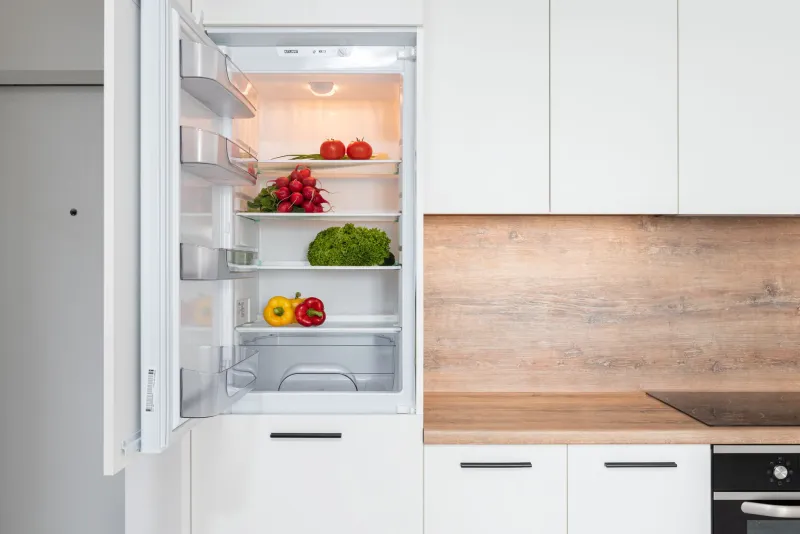
Let's have an honest moment together. Somewhere in your refrigerator right now, there is probably a vegetable in distress. Maybe it's a half-used head of celery going limp around the edges. Maybe it's a bag of spinach that started strong on Monday and is now a suspicious shade of olive green. Maybe — and this one stings — it's an entire bunch of rainbow chard you bought at the farmers market because it looked gorgeous and you absolutely, definitely had a plan for it.
You did not have a plan for it.
According to the USDA, American households throw away somewhere between 30 and 40 percent of the food they purchase, and fresh produce leads that charge by a wide margin. A 2021 report from ReFED estimated that fruits and vegetables account for nearly a third of all consumer food waste in the US. That's not just a financial hit — though at today's grocery prices, it absolutely is — it's also a quiet environmental toll that most of us prefer not to think about too hard.
But here's the thing: this isn't really a willpower problem. It's a systems problem. And once you understand where the breakdown actually happens, fixing it gets a whole lot easier.
The Grocery Store Is Designed to Make You Overly Optimistic
There's a reason you walk into a Whole Foods or your local co-op feeling like you're about to become a completely different, more disciplined version of yourself. The produce section is intentionally theatrical. Misters keep the greens gleaming. The colors are vivid and arranged with almost artistic intention. Everything looks like it belongs in a still-life painting.
Food retail psychologists call this the "health halo" effect — the way a beautiful produce display triggers aspirational purchasing rather than practical purchasing. You're not buying vegetables based on what you actually cook during the week. You're buying vegetables based on the person you imagine you'll be by Thursday.
That gap between the imagined self and the actual self is where the kale goes to die.
Farmers and market vendors see this pattern constantly. "People come to the market on Saturday morning with this energy," says one Vermont vegetable farmer who sells at multiple New England markets. "They want everything. They load up. Then they come back the following week and quietly mention they didn't quite get to the kohlrabi." She laughs, but there's a real frustration underneath it — for small growers, wasted produce represents real labor, real land, and real seeds.
Storage Myths That Are Quietly Killing Your Produce
Even when your intentions are solid, bad storage habits can torpedo your best efforts before you ever get to cooking. A few of the biggest offenders:
The crisper drawer is not a magic preservation chamber. It has humidity settings for a reason, and most people never touch them. The general rule: high humidity for leafy greens and herbs, low humidity for things like apples, pears, and avocados. Mixing everything together in one drawer at the wrong humidity level accelerates deterioration across the board.
Ethylene gas is real and it's working against you. Apples, bananas, and tomatoes release ethylene as they ripen, which speeds up the aging process of nearby produce. Storing ethylene-sensitive vegetables — think broccoli, leafy greens, cucumbers — next to high-ethylene fruits is a fast track to premature wilting.
Not everything belongs in the fridge. Tomatoes lose flavor and develop a mealy texture when refrigerated. Onions and garlic need airflow and a cool, dry spot outside the fridge entirely. Potatoes hate light but also hate the cold. Winter squash can sit happily on a countertop for weeks. Understanding which vegetables actually want refrigeration — and which ones don't — extends their usable life dramatically.
Washing before storing is often a mistake. Excess moisture accelerates mold and rot. With leafy greens especially, washing right before use rather than right after purchase keeps them fresher longer.
The Real Problem: Buying for a Fantasy Week
Here's a reframe that genuinely changes behavior: stop meal planning for the week you wish you had, and start planning for the week you actually have.
If you work late three nights out of five, buying ingredients that require 45 minutes of active cooking time is setting yourself up to fail. If you know you're traveling Thursday through Sunday, buying a full week's worth of produce on Monday is a math problem with only one outcome.
A practical approach that a lot of nutritionists and food waste advocates recommend is what's sometimes called the "anchor vegetable" method. Choose two or three vegetables that you know — not hope, know — you will cook that week. Build your shopping around those. Then add one or two wild cards, things that caught your eye or looked exceptional, but only if you have a clear and immediate use for them.
This sounds obvious. It is not how most of us actually shop.
Using What You Have: The Skills That Actually Matter
Beyond buying smarter, developing a handful of flexible cooking instincts makes an enormous difference in how much produce you actually use before it turns.
Learn the frittata reflex. A frittata is essentially a vehicle for any combination of vegetables, cheese, and herbs that need to be used up. Wilting spinach, soft bell peppers, that half an onion — all of it works. It takes twenty minutes and it's genuinely delicious. The same logic applies to grain bowls, stir-fries, and pasta dishes: these are formats, not recipes, and they absorb almost anything.
Get comfortable with the quick pickle. A simple brine of vinegar, water, sugar, and salt can transform vegetables that are on the edge — radishes, cucumbers, thin-sliced onions, even slightly soft carrots — into something intentional and bright. Quick pickles keep in the fridge for two weeks and make everything from tacos to grain bowls considerably more interesting.
Embrace the freezer as a tool, not a graveyard. Blanching and freezing vegetables before they go bad is genuinely easy and genuinely useful. Blanched greens, frozen corn cut from the cob, roasted and frozen peppers — these become building blocks for future meals rather than casualties of poor planning.
Make stock a reflex, not a project. Vegetable scraps — leek tops, carrot peels, celery leaves, onion skins, herb stems — can go straight into a bag in the freezer. When the bag is full, simmer everything for an hour and you have rich, flavorful stock. Nothing is wasted. Everything becomes something.
A Different Relationship With Your Produce
There's something almost philosophical about the vegetable waste problem. We live in a food culture that's gotten very good at wanting to eat well — at curating beautiful grocery hauls, at following vegetable-forward accounts on Instagram, at buying the farmers market tote bag. The harder skill, the one that actually matters, is learning to cook with intention rather than aspiration.
The crisper drawer doesn't have to be where good intentions go to decompose. It can be a working pantry, a starting point, a source of actual meals. But that requires honesty — about how you actually cook, how much time you actually have, and what you actually know how to make.
Buy less. Use more. Cook the vegetables you already have before you buy new ones. It sounds almost too simple to be advice worth giving.
And yet, here we all are, staring at a drawer full of aging chard.