Butter, Stock, Patience: The Emulsion That Turns a Humble Carrot Into the Best Thing on the Plate
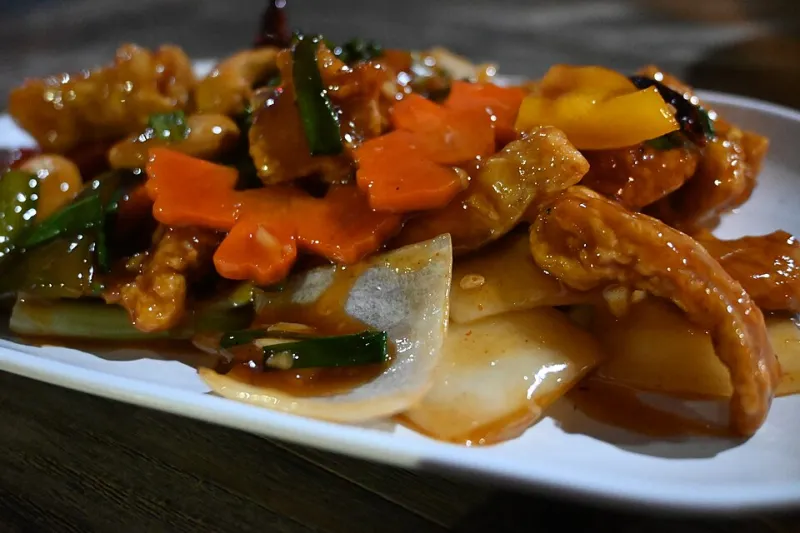
Photo: PattayaPatrol, CC BY-SA 4.0, via Wikimedia Commons
Ask a line cook what makes restaurant vegetables taste different and they'll usually say one word: butter. But that's not quite the whole story. The real magic in those glassy, lacquered carrots and turnips at the best vegetable-forward restaurants in the country isn't just butter — it's glazing, a technique older than most of the restaurants using it, and one almost nobody does at home.
That's a shame, because glazing might be the highest reward-per-effort technique in cooking.
What Glazing Actually Is
Strip away the French terminology and here's the method: you cook vegetables in a shallow mixture of stock, butter, and a pinch of sugar, covered, until they're just tender. Then you uncover, let the liquid reduce to a few glossy spoonfuls, and swirl. What you're left with is an emulsion — butter and stock bonded into a sauce that clings to every surface like lacquer.
Classical French kitchens used this on garnish carrots for service after service. Chefs like Alain Passard and the new generation of American vegetable obsessives kept it alive, quietly glazing everything from salsify to hakurei turnips. The technique never went away. It just stopped getting written about.
The Science, Minus the Lecture
Why does it work? Three things happen at once:
Emulsification. Butter is roughly 80% fat suspended with a little water and milk solids. Stock brings water, gelatin (if it's homemade), and dissolved flavor compounds. When you swirl the pan as the liquid reduces, the fat disperses into microscopic droplets suspended in the water — that's an emulsion, and its light-scattering effect is why the sauce looks glossy instead of greasy.
Reduction. As water evaporates, the emulsion concentrates. Less water means more butter-per-drop, which means more cling and more shine. You're not adding more butter; you're making the butter that's there matter more.
Osmosis and sugar. The pinch of sugar isn't just sweetness — it lowers the water activity around the vegetable, helping it cook evenly and encouraging gentle surface caramelization in the final reduction. The vegetable seasons from the cooking liquid and the coating sauce simultaneously.
The one rule that matters: swirl, don't stir. A spoon breaks emulsions by knocking fat droplets together. Circular pan motion rebuilds them.
The Master Recipe
Serves 4 as a side.
- 1 lb vegetables, peeled and cut into uniform pieces (or left whole if baby-sized)
- 1 cup good-quality stock (chicken or vegetable)
- 2 tbsp butter, cold
- Pinch of sugar
- Salt
- Squeeze of lemon
- Put vegetables, stock, sugar, and a pinch of salt in a skillet so they sit in a single snug layer. Add butter in pieces on top.
- Cover, bring to a simmer, and cook 8–15 minutes depending on the vegetable, until just tender when pierced.
- Uncover, raise the heat, and let the liquid reduce, swirling the pan constantly, until it coats the back of a spoon — 2 to 4 minutes.
- Off heat, add a squeeze of lemon and taste. Serve immediately, pan sauce and all.
Five Seasonal Variations
- Spring: Baby turnips and radishes, finished with fresh chives and a splash of the pickle brine from your fridge.
- Early summer: Glazed carrots with a spoonful of harissa stirred into the final emulsion.
- Midsummer: Baby zucchini and pattypan, glaze finished with basil and a little lemon zest.
- Fall: Parsnips glazed with apple cider replacing half the stock.
- Winter: Celeriac batons glazed in dark stock, finished with a splash of sherry vinegar — rich, almost meaty, entirely plant-based.
The technique asks for one pan, twenty minutes, and a wrist motion you already know from tossing pasta. In exchange, it hands you the glossiest, most restaurant-legit vegetables of your life. Classical French cooking rarely gets more approachable than that — and your carrots have never deserved it more.